Recap: DemoCamp Edmonton 31

Tonight was robot & games night at Edmonton’s 31st DemoCamp which took place at the Centennial Centre for Interdisciplinary Sciences (CCIS) on the University of Alberta campus. After missing the last two, it was great to be back to see some inspiring new projects and entrepreneurs. You can read my recap of DemoCamp Edmonton 29 here.

If you’re new to DemoCamp, here’s what it’s all about:

“DemoCamp brings together developers, creatives, entrepreneurs and investors to share what they’ve been working on and to find others in the community interested in similar topics. For presenters, it’s a great way to get feedback on what you’re building from peers and the community, all in an informal setting. Started back in 2008, DemoCamp Edmonton has steadily grown into one of the largest in the country, with over 200 people attending each event. The rules for DemoCamp are simple: 7 minutes to demo real, working products, followed by a few minutes for questions, and no slides allowed.”

In order of appearance, tonight’s demos included:

DemoCamp Edmonton 31
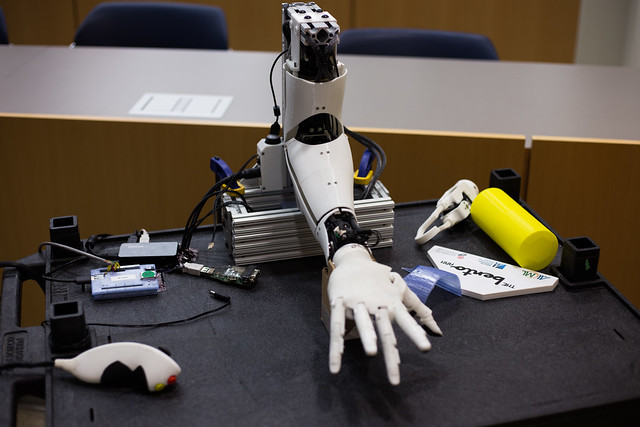
Bento Arm

Rory & Jaden showed us the latest version of Bento Arm, a 3D printed robotic arm. It features pressure sensors in the finger tips, servo motors that track velocity and other metrics, potentiometers, and even includes a camera embedded in the palm. The idea with having all of those sensors is to use machine learning to improve its capabilities over time (for instance the camera might recognize objects to help the arm pick them up). The demo showed how the hand could be controlled using a joystick, moving the arm around, and opening and closing the fingers. Bento Arm runs on the Robot Operating System and the team plans to open source everything, hardware and software. To the end the demo, they played rock-paper-scissors against the Bento Arm, which won. Welcome to the future!
DemoCamp Edmonton 31
vrNinja demo

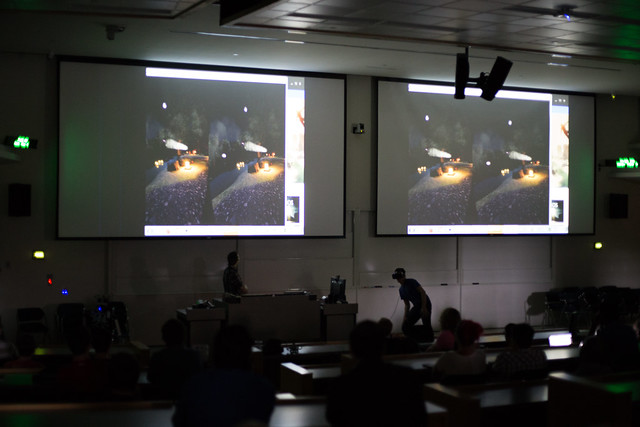
Nathaniel & Alexendar were up next and they showed us vrNinja, a ninja simulation game built for the Oculus Rift VR headset. In the game you are a ninja and you must learn and use new weapons as things get faster and faster. The game features positional audio and requires you to move quite a bit in order to play (so be careful what’s next to you). The team are hoping to release it in the Oculus store in the next month or so, and they have plans to look into the HTC Vive VR headset as well. If you’d like a closer look, you can check out the game this weekend at GDX Edmonton.
DemoCamp Edmonton 31
Anthrobotics

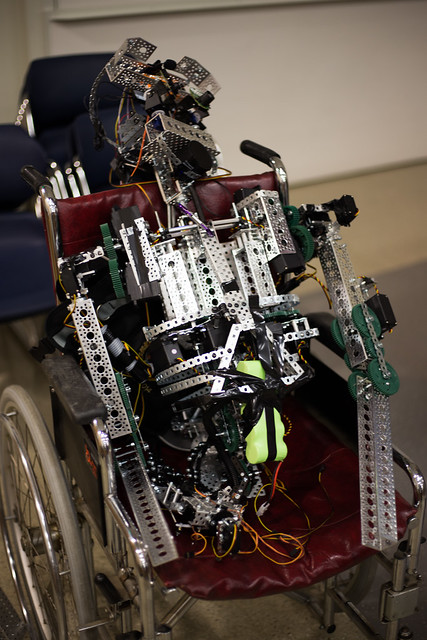
Next, Ian & Evan showed us what they have been working on with Anthrobotics. The idea is to build robots that do all the boring, redundant tasks that we all need to do each day. They showed three prototypes. The first was an anthropomorphic named Robio who sat in a wheelchair. Unfortunately the demo gods got the better of him and the speech demo didn’t work. They said they liked the humanoid form (even though it is difficult to build) because they think it has the greatest potential for being useful in our world. The next two prototypes were a hand that featured and opposable thumb and a leg that could move both entirely and just the foot. They are using Arduino boards right now but have plans to add Raspberry Pis in the future. Their robots are very much in the prototype stage, but if this is what they’re doing in high school, I can’t wait to see what they build in the future!
DemoCamp Edmonton 31
Hugo, the Twitter-powered robot

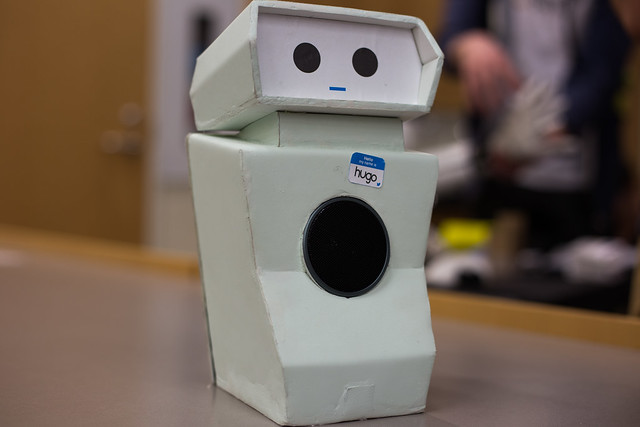
Jeff and couple of his colleagues from Paper Leaf were up next to show us Hugo, the Twitter-powered robot that you probably tweeted inappropriate things to last year when it launched. The way it works is you tweet something with the hashtag #hugorobot and Hugo will speak it aloud. You can read more about Hugo here. Hugo was a big success, and even helped Paper Leaf to win an ACE Award. At the experiment’s peak, Hugo was receiving 3100 tweets per hour and more than 7000 people watched the livestream. Hugo was posted to Reddit, 4chan, and 9gag, all of which meant that the team had to work hard to keep the blacklist updated. It’s a fun project and Jeff says you could apply the same concepts of social media and crowdsourcing elsewhere.

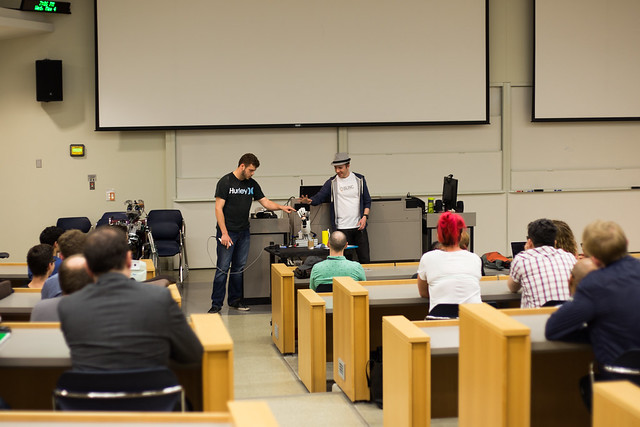
Our final demo of the evening was from Matt & Logan who showed us RunGunJumpGun. It’s a 2D side-scrolling “helicopter-style” game that they first prototyped at least year’s GDX Edmonton. Now a year later, they have improved and refined the game, and plan to release it this summer. The game features 40 levels that increase along a difficulty curve so that as you progress you should master the skills needed to win. Though honestly the last level looked impossible to pass! There’s a certain amount of frustration that comes along with the style of play, but it also has a high degree of replay-ability. They plan to launch an iPhone version at some point too.
DemoCamp Edmonton 31

Some upcoming events to note:

  • Monthly Hack Day is coming up this Saturday at Startup Edmonton
  • GDX Edmonton takes place Saturday and Sunday at the Robbins Health Learning Centre downtown
  • Preflight Beta takes place Tuesday at Startup Edmonton and “helps founders and product builders experiment and validate a scalable product idea”
  • The full Preflight program started today!
  • The next ROS Robotics Meetup takes place on May 19 at Startup Edmonton

Over 150 meetup events took place at Startup Edmonton last year! Keep an eye on the Startup Edmonton Meetup group for more upcoming events. They have also added a listing of all the meetups taking place at Startup to the website. You can also follow them on Twitter.

See you at DemoCamp Edmonton 32!
Edmonton Notes for May 1, 2016

Here are my weekly Edmonton notes:

Headlines

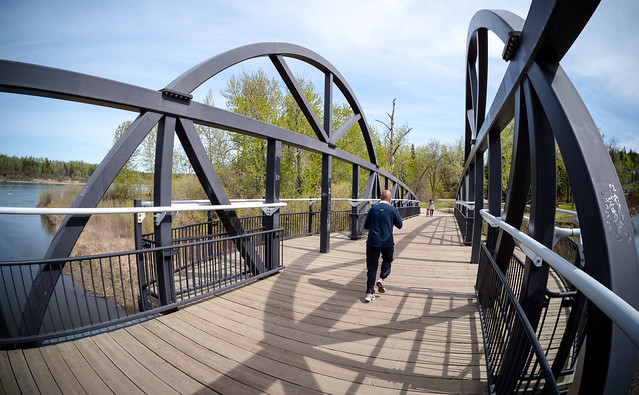
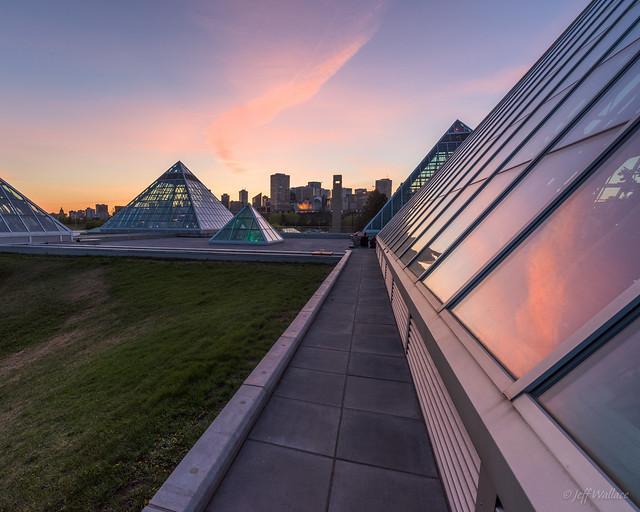
Path To The City
Path To The City, photo by Jeff Wallace

Upcoming Events

Training Day
Training Day, photo by Kurt Bauschardt

Edmonton Notes for April 24, 2016

Here are my weekly Edmonton notes:

Headlines

Springtime Skyline Sunset
Springtime Skyline Sunset, photo by Dave Sutherland

Upcoming Events

21 Minutes
21 Minutes, photo by Jeff Wallace

Edmonton Notes for April 17, 2016

Here are my weekly Edmonton notes:

Headlines

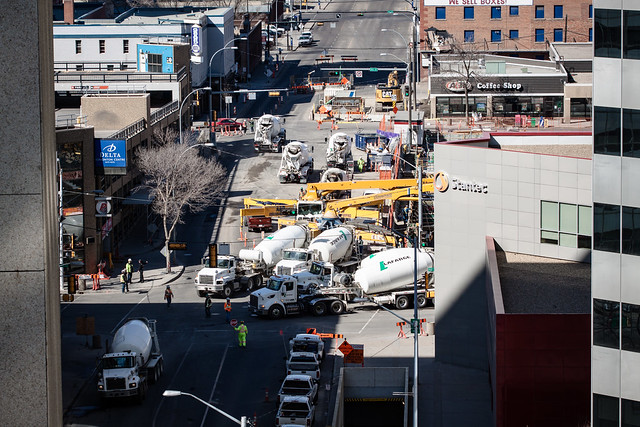
A Whole Mess o' Concrete
A Whole Mess o’ Concrete, photo by Dave Sutherland

Upcoming Events

Why did the Canada Goose cross the road?
Why did the Canada Goose cross the road? To get to the Edmonton Public Library!

City for Life: Gil Penalosa in Edmonton

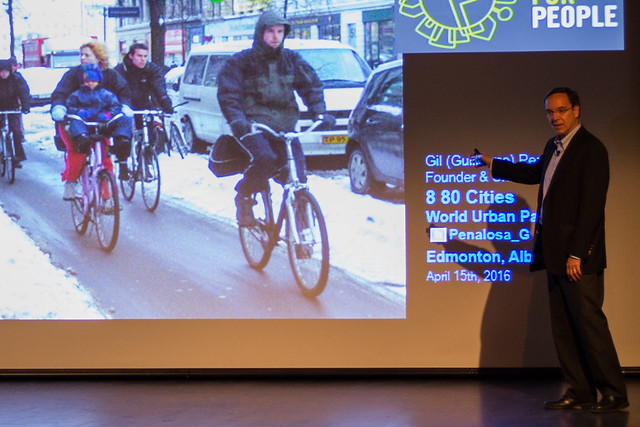
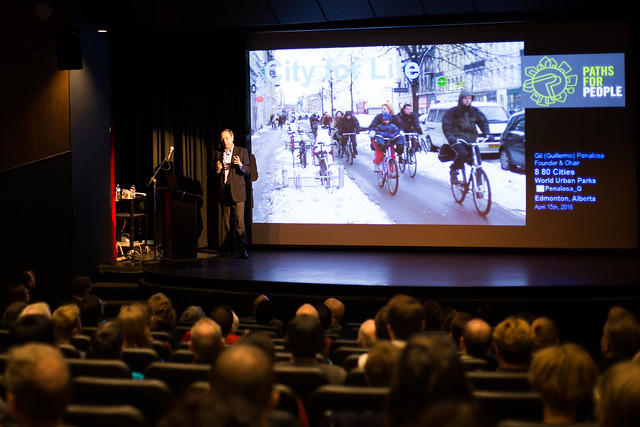
Gil Penalosa was in Edmonton tonight to share his thoughts on building successful cities, healthy communities, and happier people. Gil is the founder of Toronto-based 8 80 Cities, chair of the board of World Urban Parks, consultant with Danish firm Gehl Architects, and former Commissioner of Parks & Recreation in Bogota where he led a transformation of that city’s park system and implemented the “new Ciclovia” program that sees nearly 1.5 million people walk, run, skate, and cycle along Bogota’s roads every Sunday. He spent about 90 minutes with a theatre full of people all passionate about making Edmonton a better place for pedestrians and cyclists and ultimately, for everyone.

Gil Penalosa

He started out addressing winter. We’ve had an unusually mild one this year, but normally it’s all Edmontonians talk about. “It’s a mental problem more than anything,” he told us. “There’s no such thing as bad weather if you have the proper clothing!” Gil suggested we probably have 20 horrible days a year, 60 that are pretty cold and not great, but that leaves more than 200 good days. “When you focus on those 20 horrible days, you end up with a bad city 365 days of the year,” he said. I don’t think he’s talking about ignoring our Winter City Strategy – he showed some great examples of winter-friendly architecture – but he is saying that we shouldn’t let winter prevent us from cycling. He noted that we have an average of 123 cm of snow each year. “Over five months, that’s nothing.”

Gil talked about the 8 80 rule of thumb. Think of an 8 year old child you know, then think of an 80 year old person you know, and then ask yourself if it is safe for them to cycle to the park or to cross the intersection. Would they feel safe? If the answer is no, then there’s work to do. And by making our city great for 8 year olds and 80 year olds, it’ll become great for everyone. “We need to stop building cities as if everyone is 30 years old and athletic!”

Gil Penalosa

He talked about Ciclovia and all of the positive examples of change around the world that it has inspired. He talked about the importance of having quality sidewalks and bikeways, because they result in safety and dignity for pedestrians and cyclists. He talked about how many pedestrians are killed by motorists around the world (1 every 2 minutes) and they are incidents, not accidents, because they are preventable. He talked about the need for equity, not equality. He talked about the public health and noted that 1 out of 4 Edmontonians are obese and 1 out of 3 are overweight. And he spent quite a bit of time highlighting “the grey bloom” as he calls it. “Older adults are our biggest wasted resource,” he said. “We need to rethink how to engage them and how to take advantage of what they have to offer!”

We need more walking and cycling in our cities. So why do people spend so much time complaining about potholes? Why don’t they use the energy spent on organizing to fix the potholes on promoting walking and cycling instead? Gil’s theory is that it’s because 20-35% of our cities are the streets. And if you take away all of the private property, streets are 70-90% of the public space. “That belongs to all of us and we need to make use of it,” he said. “Do we want streets for cars or streets for people?”

Gil Penalosa

Gil did provide some solutions to all of these challenges. To tackle health, promote walking and cycling. It’s the only way that cities are able to encourage the 30 minutes of physical activity needed per day to keep us all healthy. To reduce the number of pedestrians killed by vehicles, install pedestrian islands in intersections because they result in 56% fewer fatal incidents. And to encourage more cycling, don’t waste time and money with sharrows, he told us. “Don’t just paint a line, that doesn’t work.” We need high quality, separated paths.

Gil said all of this with an infectious energy and humor. You can get a sense of that by checking out this TEDxCarlton talk he did back in 2011.

In fact, his talk tonight was pretty similar to that, although much longer. It was similar to the many other keynotes and presentations he has done. He’s been spreading this message for more than five years! What should we take from that? Clearly there are a lot of cities in the world to visit to share this message with. Gil told us he has worked in over 200 cities in the last nine years. But maybe also that Edmonton is late to the party. And perhaps, as Gil himself told us repeatedly, that change is hard everywhere.

I left Gil’s talk feeling excited, energized, and optimistic about what we can achieve in Edmonton. But it didn’t take long for the cynical, negative, pessimistic thoughts to return. Close a street to cars, he says. Except I know how much work that is (and continues to be). Don’t waste your time on sharrows, he says. But of course that’s what we have focused on. Take action in 90 days and definitely within five years, he says. Our Bicycle Transportation Plan, imperfect as it was, began in 1992 and was updated in 2009 and yet what have we got to show for it?

On the other hand, every city that Gil highlighted as examples of what can be done probably faced challenges that aren’t too dissimilar from the ones I cited above. “I know what you’re thinking,” Gil said at one point. “Edmonton is different. You’re unique.” He nodded knowingly at the crowd. “Always remember that you are absolutely unique, just like everyone else!” he said, quoting Margaret Mead.

Gil’s core message is that change is hard and you need five things to make it happen:

  • A sense of urgency
  • Political will
  • Doers (people that actually do things)
  • Leadership from throughout the community
  • Citizen engagement

Change is hard was a common message throughout his talk. “When you try to get something done,” Gil said, “CAVE people show up.” That’s “Citizens Against Virtually Everything”. The audience loved that. Later he said to beware of the “citizen cadavers”. What are those? “They’re the people who haven’t done anything for the community so you thought they were dead but then you try to change something and they come back to life!”

In addition to the five things mentioned above, we need a shared vision and a lot of action, Gil told us. Turn challenges into opportunities, and don’t be spectators! “We have to be smarter about using our public assets.”

Paths for People

The event tonight was hosted by Councillor Michael Walters, who wrote earlier this week on his blog:

“Each time I engage Edmontonians in conversations about active transportation, one thing becomes clear – that we need to shift the conversation away from car vs. bike to one about healthy people and healthy communities.”

So, who is Paths for People? They’re activists, as Michael Phair explained tonight. From their about page:

“Paths for People is an enthusiastic and strategic group of community-builders working to improve conditions for bicycling and walking (and any other human-powered transportation) within the City of Edmonton.”

Today the group launched its minimum grid:

“Our vision for Edmonton’s Minimum Grid – a grid of walk/bike routes that would connect 140,000 Edmontonians into and around downtown and the university safely and pleasantly.”

It’s a start.

I’m thrilled to have been invited to participate in tomorrow’s City for Life summit, where “leaders in the Edmonton community will gather with City Councillors and Senior Administration to create a vision document for a healthier, happier, more mobile Edmonton.” I’m positive that we’ll have a constructive, future-looking discussion and I am hopeful that together we’ll find a way to transform that into meaningful, long-lasting change. We need action, not just more talk, because when all is said and done, a lot more is said than done.

Edmonton Notes for April 10, 2016

Here are my weekly Edmonton notes:

Headlines

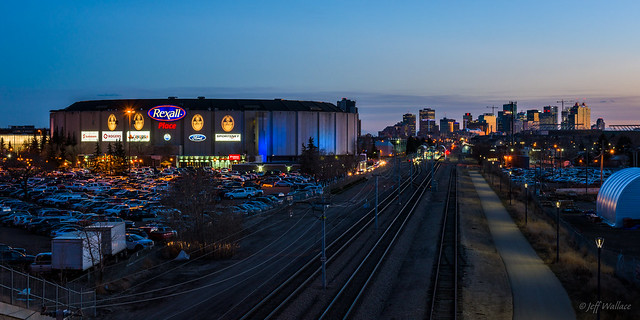
Farewell Rexall Place
Farewell Rexall Place, photo by Jeff Wallace

Upcoming Events

The Lookout

The Edmonton Oilers bid farewell to Rexall Place

Tonight the Edmonton Oilers played their final game in the building they have called home since 1974. Though its future remains uncertain, Rexall Place has been an important part of Edmonton for more than 40 years.

Farewell Rexall Place

The subject of its own, drawn out arena debate, Rexall Place was eventually built in the early 1970s. It opened on November 10, 1974 and the Oilers played their first game in the building that night. They won that game over the Cleveland Crusaders by a score of 4-1. For more on the history of Rexall Place, check out this great deep dive from David Staples.

Farewell Rexall Place

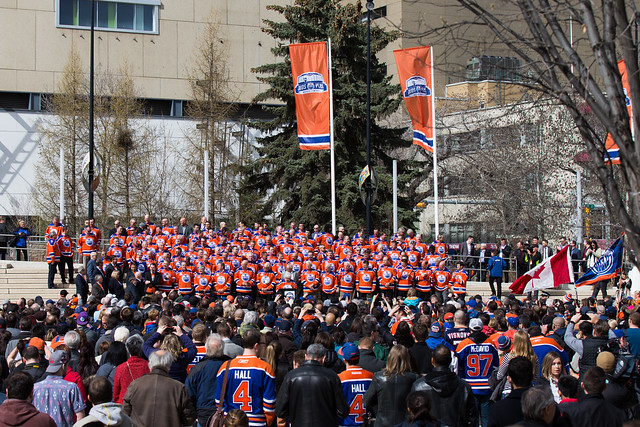
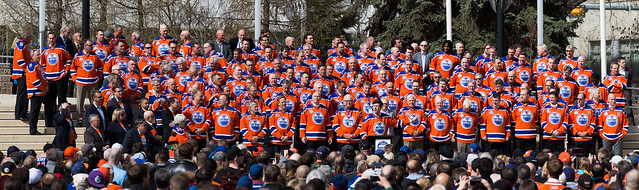
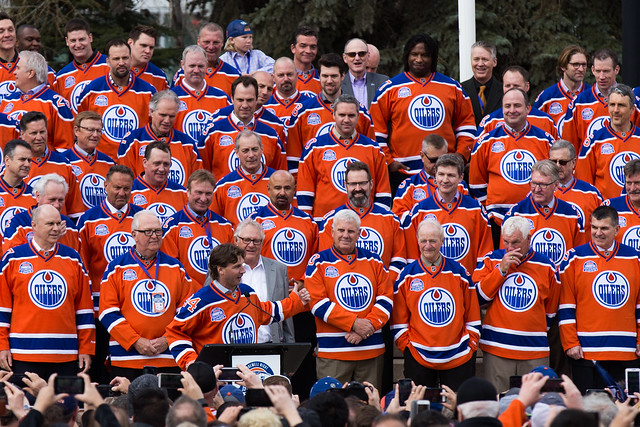
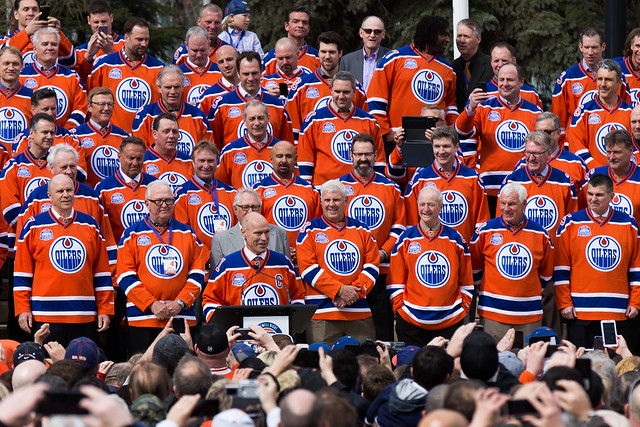
In addition to tonight’s celebrations at the building itself, the Oilers and the City held a rally in Churchill Square today. All former Oilers were invited to attend, and more than 100 did. The event was hosted by City Manager Linda Cochrane and was a nice opportunity for fans to join with the Oilers to say thanks to Rexall Place.

Farewell Rexall Place

Mayor Don Iveson, Jason Strudwick, Ryan Smyth, and Mark Messier all shared a few memories and tributes to Rexall Place.

Mark Messier

I thought it was very fitting that the crowd did the wave today at the rally given that Rexall Place is the venue in which the wave was perfected.

The Oilers have been preparing for this all season long, of course. Here’s what they had to say about leaving the building earlier today:

“Hours before opening faceoff, media members and arena workers flooded the halls, snapping photos of the old barn. The current players laughed at the fond memories of their home building, while lamenting missed opportunities in recent seasons. The alumni shared stories with the media and with each other, some serious and others hilarious tellings of locker room happenings. The mood at Rexall Place’s final pre-game morning was more joyful and reminiscent than sad, but it is sure to be an emotional evening of goodbyes for all those with ties to a historic venue.”

You can see the pre-game, in-game, and post-game videos and other media here.

Farewell Rexall Place

Northlands itself also had some positive things to say about the building today:

“On behalf of our board, staff and volunteers we want to thank the Edmonton Oilers for an amazing partnership,” said Tim Reid, Northlands President and CEO.

They also pointed out that while the Oilers won’t be playing at Rexall Place anymore, there are still other events on the schedule including the 2017 Ford World Men’s Curling Championships next April which is the final qualifying event for the 2018 Winter Olympics in South Korea. But for pro hockey at least, tonight was the end.

Oilers Superfan

For the current team, next season and the brand new Rogers Place can’t come soon enough. It hasn’t been a great season, but at least they ended on a high note tonight with a 6-2 victory over the Vancouver Canucks.

You can see more photos from the lunch time rally here.

Edmonton Notes for April 3, 2016

Here are my weekly Edmonton notes:

Headlines

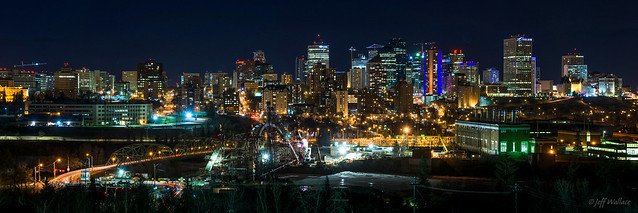
Edmonton At Night - Building Up and Over
Edmonton At Night – Building Up and Over, photo by Jeff Wallace

Upcoming Events

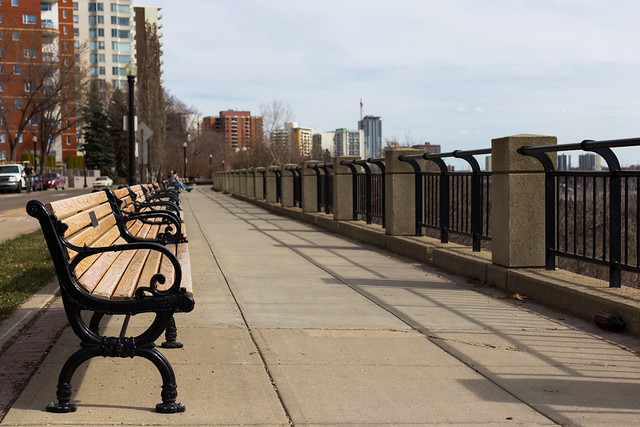
Victoria Promenade

Edmonton Notes for March 27, 2016

Happy Easter! Here are my weekly Edmonton notes:

Headlines

Spring Snow
Spring Snow

Upcoming Events

Edmonton Tower Lights

Edmonton Notes for March 20, 2016

Here are my weekly Edmonton notes:

Headlines

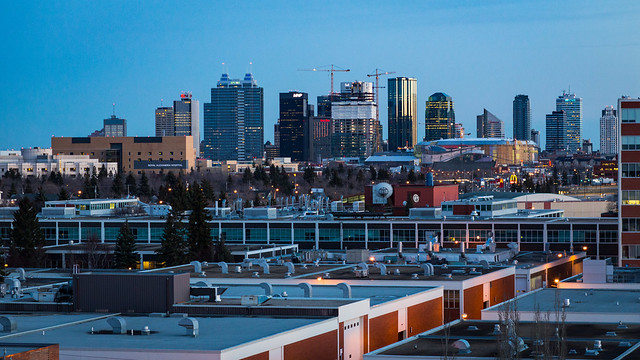
Above the Blue
Above the Blue, photo by Dave Sutherland

Upcoming Events

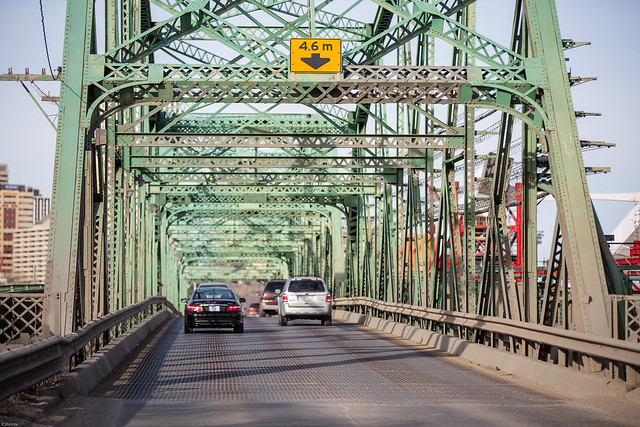
Walterdale Bridge
Walterdale Bridge, photo by IQRemix